
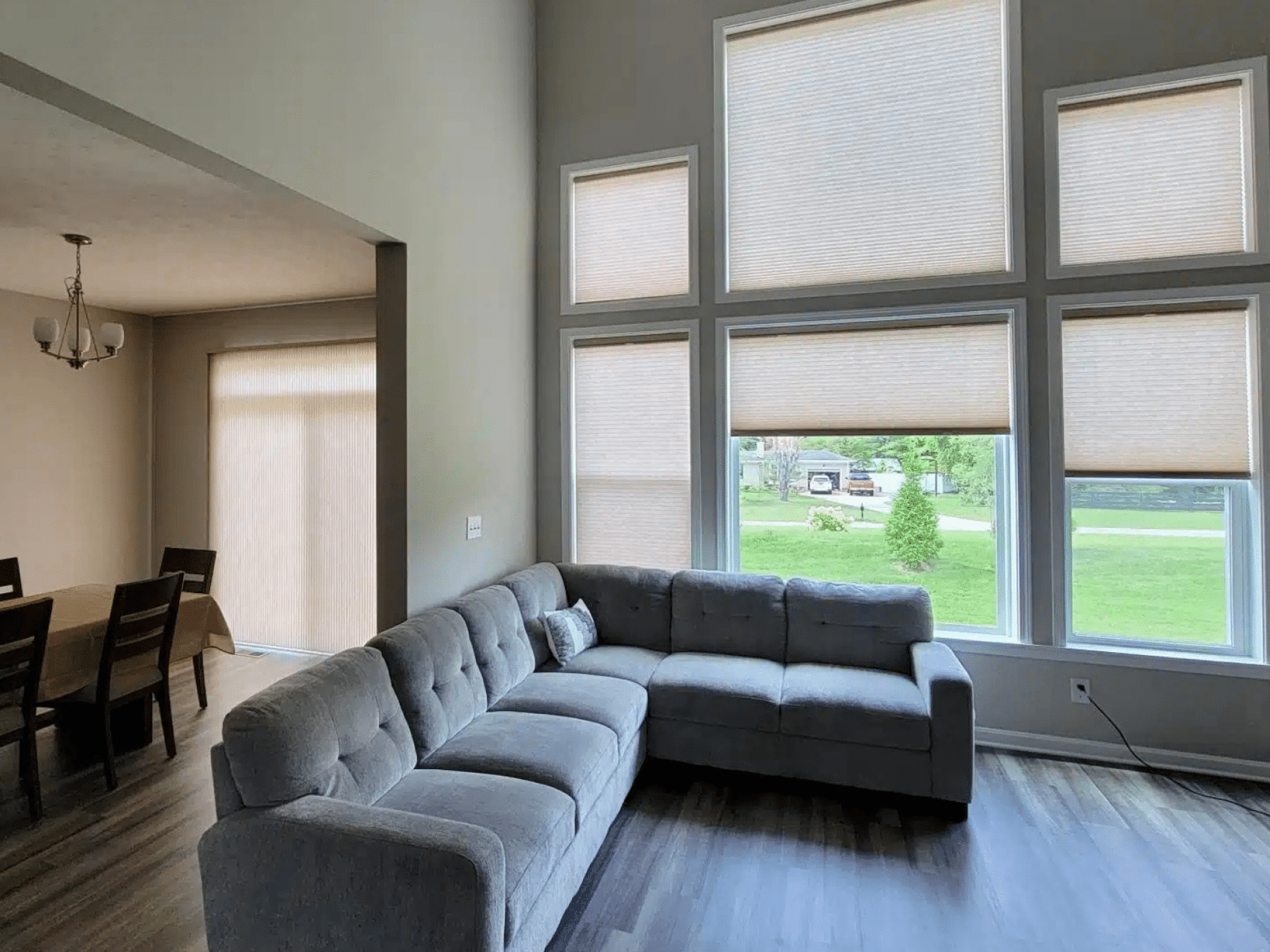
You just invested thousands of dollars in beautiful custom plantation shutters for your Crestwood home. Six months later, a mechanism fails. You call the company, confident your warranty covers it, only to discover the repair costs hundreds of dollars because you missed a registration deadline buried in the fine print.
This scenario happens more often than you might think. Understanding window treatment warranties before you buy can save you significant money and frustration down the road.
At WindowDecor, we believe homeowners deserve transparency about what they’re buying, including the warranty protection that comes with their investment. With over 30 years of experience serving Crestwood, KY and surrounding areas, we’ve seen how the right warranty provides peace of mind while the wrong one creates headaches.
This guide walks you through everything you need to know about window treatment warranties so you can make an informed decision and avoid the most common pitfalls.
Why Window Treatment Warranties Matter for Your Investment
Window treatments represent a significant home improvement investment. Quality custom plantation shutters can last decades, while blinds and shades typically serve your home for 7-15 years with proper care.
A solid warranty protects that investment in three important ways:
Financial Protection: Warranties shield you from unexpected repair or replacement costs when manufacturing defects or premature failures occur. Without warranty coverage, a failed motorized shade system could cost hundreds to replace.
Quality Assurance: Companies that offer strong warranties typically manufacture better products. They know their window treatments will hold up over time, so they’re willing to stand behind them. Weak warranties often signal lower-quality products that manufacturers expect to fail.
Peace of Mind: Knowing your window treatments are protected lets you enjoy them without worry. You’re not wondering whether that slight discoloration will worsen or if you’ll be stuck paying for repairs when a mechanism fails.
For Crestwood homeowners, warranties become especially important given our climate. Temperature fluctuations, humidity changes, and intense summer sun can stress window treatments over time. The right warranty coverage accounts for these environmental factors.
What to Compare When Evaluating Window Treatment Warranties
Not all warranties offer the same protection. When comparing options, examine these critical elements:
Coverage Duration
Window treatment warranties typically range from one year to lifetime coverage. The duration should match the expected lifespan of the product:
Plantation shutters often come with lifetime limited warranties because they’re built to last decades. Quality wood or composite shutters should serve your home for 20-30 years or more.
Blinds and shades typically carry 2-10 year warranties depending on the materials and mechanisms. Motorized options may have shorter coverage on electronic components.
Exterior patio shades usually include 5-10 year warranties since they face harsher environmental conditions.
Be wary of companies offering only one-year warranties on products designed to last much longer. This suggests either low product confidence or a business model that doesn’t prioritize long-term customer relationships.
What Components Are Covered
Quality warranties specify exactly which components receive protection:
Materials coverage protects against defects in wood, fabric, vinyl, or composite materials. This includes warping, cracking, excessive fading, or delamination that occurs under normal use.
Mechanical components include lift mechanisms, tilt controls, cords, tracks, and mounting hardware. These moving parts experience the most wear and should carry robust coverage.
Finish protection covers paint, stains, or coatings against peeling, flaking, or discoloration beyond normal aging.
Electronic components in motorized treatments may carry separate, shorter warranty periods since technology has different failure patterns than mechanical parts.
Labor coverage determines whether you pay for service calls and installation when warranty repairs are needed. Some warranties cover parts but not the labor to install them, leaving you with unexpected costs.
Manufacturer vs. Installer Warranties
Understanding who backs your warranty matters:
Manufacturer warranties come directly from the company that makes your window treatments. These typically cover product defects and material failures. You’ll work with the manufacturer (or through your installer) to process claims.
Installer warranties cover the workmanship of measurement and installation. Even perfect products fail if installed incorrectly. Quality installers like WindowDecor stand behind their work with separate installation warranties.
The best protection comes from companies that manufacture and install their own products. They control the entire process and can’t blame problems on someone else. This is one reason WindowDecor’s factory-direct model provides stronger accountability.
Transferability
If you sell your Crestwood home, can the warranty transfer to the new owners? Transferable warranties add value to your property and provide selling points. Non-transferable warranties become worthless the moment you move, even if you’ve only owned the treatments for a short time.
What’s Typically Covered in Quality Window Treatment Warranties
Understanding standard coverage helps you recognize good warranties:
Material Defects and Fading
Quality warranties protect against premature material failures. Your plantation shutters shouldn’t warp, crack, or split under normal humidity conditions. Blind slats shouldn’t become brittle and break within a few years. Fabric shades shouldn’t develop tears or excessive fading from standard sun exposure.
Most warranties specify “normal” fading, acknowledging that some color change occurs naturally over years of sun exposure. Excessive or premature fading that goes beyond normal aging should receive coverage.
Wood products may have specific exclusions for natural wood characteristics like grain variation or minor color differences between panels. These aren’t defects but natural material properties.
Mechanical Failures
Moving parts wear out, but they shouldn’t fail prematurely. Warranties typically cover:
Lift mechanisms that become difficult to operate or fail completely. Your blinds should raise and lower smoothly for years, not struggle after a few months.
Tilt controls that break or stop functioning. Slats should tilt easily to control light without excessive force.
Cord and chain systems that fray or break under normal use (though many modern treatments use cordless systems for child safety).
Track systems for vertical blinds or sliding panels that become difficult to operate.
Mounting hardware that fails or pulls away from properly installed anchors.
Installation Workmanship
Separate from product warranties, installation coverage protects against measurement errors, improper mounting, or operational issues caused by incorrect installation. Your treatments should fit precisely, operate smoothly, and mount securely.
If your custom blinds don’t fit the window correctly or fall off the wall due to improper installation, workmanship warranties cover remeasurement, remanufacturing, and reinstallation.
Product-Specific Coverage
Different window treatment types face different stresses:
Plantation shutters endure constant opening, closing, and adjusting. Warranties should cover louver operation, frame stability, and hinge function.
Motorized shades include electronic components that may carry shorter warranties than mechanical parts. Quality manufacturers offer at least 3-5 years on motors and controls.
Exterior patio shades face weather exposure. Coverage should include wind resistance up to specified speeds, UV degradation, and water resistance.
What’s Usually NOT Covered (Common Exclusions)
Understanding exclusions prevents surprise denials when you file claims:
Normal Wear and Tear
Warranties don’t cover the gradual aging that all products experience. Slight color changes over many years, minor operational changes as moving parts age, and cosmetic wear from regular use fall outside warranty coverage.
The key word is “normal.” Excessive wear that occurs much faster than expected may still qualify for coverage if it indicates a defect.
Improper Use or Maintenance
Using window treatments in ways they weren’t designed for voids warranties. Installing interior blinds outdoors, exceeding weight limits on drapery hardware, or forcing mechanisms that become stuck all fall into this category.
Failure to perform recommended maintenance also creates exclusions. If the manufacturer specifies annual cleaning or lubrication and you skip it, resulting damage may not be covered.
Damage from Accidents or Pets
Warranties cover manufacturing defects, not damage you or your family causes. Broken slats from impact, torn fabrics from pet claws, or bent components from accidents aren’t warranty issues.
This seems obvious, but many homeowners try to claim accidental damage as defects. Honest communication with your installer about what happened leads to better solutions, even if warranty coverage doesn’t apply.
Unauthorized Repairs or Modifications
Taking apart your window treatments or attempting DIY repairs typically voids warranties. If something goes wrong, contact your installer or manufacturer before trying to fix it yourself.
Modifications like cutting down blinds, painting finishes, or altering mechanisms also void coverage. Your treatments should work as designed without modifications.
Environmental Damage
Extreme weather events, fire, flooding, or other environmental damage falls outside standard warranties. Your homeowner’s insurance should cover these situations instead.
Some warranties also exclude damage from harsh environments. Installing standard interior blinds in a steamy bathroom or directly against windows in extreme sun exposure may void coverage if the manufacturer specifies those limitations.
Common Warranty Pitfalls to Avoid
Smart homeowners sidestep these frequent mistakes:
Not Reading the Fine Print
Warranty documents contain critical details about coverage, exclusions, claim processes, and requirements. Reading them before you buy, not after problems occur, prevents unpleasant surprises.
Pay special attention to:
- Registration requirements and deadlines
- Maintenance obligations
- Claim filing procedures and timeframes
- What constitutes “normal” vs. “excessive” wear
- Labor coverage details
If warranty terms seem confusing, ask your installer to explain them. Reputable companies want you to understand your coverage.
Failing to Register Your Warranty
Many warranties require registration within 30-90 days of installation. Miss that deadline and your coverage may reduce to a basic one-year warranty or void completely.
Register immediately after installation while you’re thinking about it. Set a calendar reminder if needed. Keep your registration confirmation with your purchase documentation.
Missing Maintenance Requirements
Some warranties specify cleaning schedules or maintenance tasks. Skipping these requirements can void your coverage even if the failure wasn’t related to maintenance.
For Crestwood homeowners, this might include periodic cleaning to remove pollen and humidity-related care for wood products. These requirements should be reasonable and clearly stated.
Not Keeping Purchase Documentation
You’ll need proof of purchase, installation dates, and warranty documents to file claims. Create a home improvement file (physical or digital) and store all window treatment paperwork together.
Include:
- Original purchase receipts
- Warranty documents and registration confirmations
- Installer contact information
- Product specifications and model numbers
- Installation photos showing the treatments when new
Assuming All Warranties Are Equal
Two companies might both offer “lifetime warranties,” but the actual coverage can differ dramatically. One might cover parts and labor for life while another covers only materials for 10 years with prorated coverage afterward.
Compare warranties as carefully as you compare products and prices. The cheapest option with weak warranty coverage often costs more long-term than quality products backed by solid warranties.
Questions to Ask Before You Buy
Use this checklist when evaluating window treatment warranties in Crestwood:
Coverage Questions:
- What specific components does the warranty cover (materials, mechanisms, labor)?
- How long does coverage last for each component?
- Is the warranty limited, full, or prorated?
- Does coverage include both parts and labor for repairs?
- What exclusions apply?
Process Questions:
- Do I need to register the warranty? What’s the deadline?
- How do I file a claim if problems occur?
- What’s the typical response time for warranty claims?
- Who performs warranty repairs (manufacturer, installer, or third party)?
- Will you handle warranty claims or do I contact the manufacturer directly?
Practical Questions:
- Is the warranty transferable if I sell my home?
- What maintenance do I need to perform to keep the warranty valid?
- Are there environmental limitations (humidity, sun exposure, temperature)?
- What documentation should I keep?
- Has your company been in business long enough to honor long-term warranties?
Red Flags to Watch For:
- Vague warranty terms without specific coverage details
- Very short warranty periods on products designed to last years
- Companies that can’t or won’t explain warranty coverage clearly
- Warranties that seem too good to be true (unlimited lifetime coverage on everything with no exclusions)
- New companies offering long-term warranties without established track records
How WindowDecor Stands Behind Their Products
At WindowDecor, our warranty approach reflects our commitment to quality and customer satisfaction. As a family-owned business serving Crestwood and the greater Louisville area since 1993, we’ve built our reputation on standing behind our work.
Our factory-direct model means we control manufacturing and installation. When you work with us, you’re not dealing with multiple companies pointing fingers at each other. We manufacture most of our products in the USA and handle installation with our own experienced technicians.
This integrated approach provides stronger accountability. If something goes wrong, we own the entire process and make it right. You have one phone number to call: (502) 713-3535.
We offer free consultations where we explain warranty coverage in detail before you buy. Our team walks you through what’s covered, what’s not, and what you need to do to maintain your coverage. We want you to understand your protection completely.
Our 30+ years in business demonstrate our ability to honor long-term commitments. We’ve been here for Crestwood homeowners for three decades and plan to be here for three more.
What You Need to Remember About Window Treatment Warranties
- Selecting the right window treatment warranty protects your investment and provides peace of mind. Focus on these key points:
- Compare coverage duration, components covered, and whether labor is included. Don’t assume all warranties offer the same protection.
- Understand common exclusions like normal wear, accidental damage, and unauthorized repairs. Warranties cover defects, not all problems.
- Avoid common pitfalls by reading warranty terms carefully, registering on time, maintaining your treatments as specified, and keeping all documentation.
- Ask detailed questions before you buy. Reputable companies explain coverage clearly and stand behind their products.
- Work with established companies that control both manufacturing and installation. This provides stronger accountability and simplifies warranty claims.
- The right warranty should match the quality of your window treatments. Premium products deserve premium coverage. Budget options with weak warranties often cost more long-term when problems occur.
Ready to Discuss Window Treatment Options with Solid Warranty Protection?
Choosing window treatments for your Crestwood home involves more than picking attractive styles. The warranty backing your investment matters just as much as the products themselves.
WindowDecor provides the transparency you need to make confident decisions. Our team explains warranty coverage in detail during your free consultation, answering all your questions before you commit.
We serve Crestwood and the surrounding Louisville area with custom plantation shutters, blinds, shades, and motorized options, all backed by solid warranty protection and our 30+ years of experience.
Call us at (502) 713-3535 or visit our showroom at 249 America Place in Jeffersonville, IN to discuss your window treatment needs. We’re open Monday through Friday 8am-5pm and weekends by appointment.
Let’s find the perfect window treatments for your home with warranty coverage that provides real protection, not just marketing promises.
