
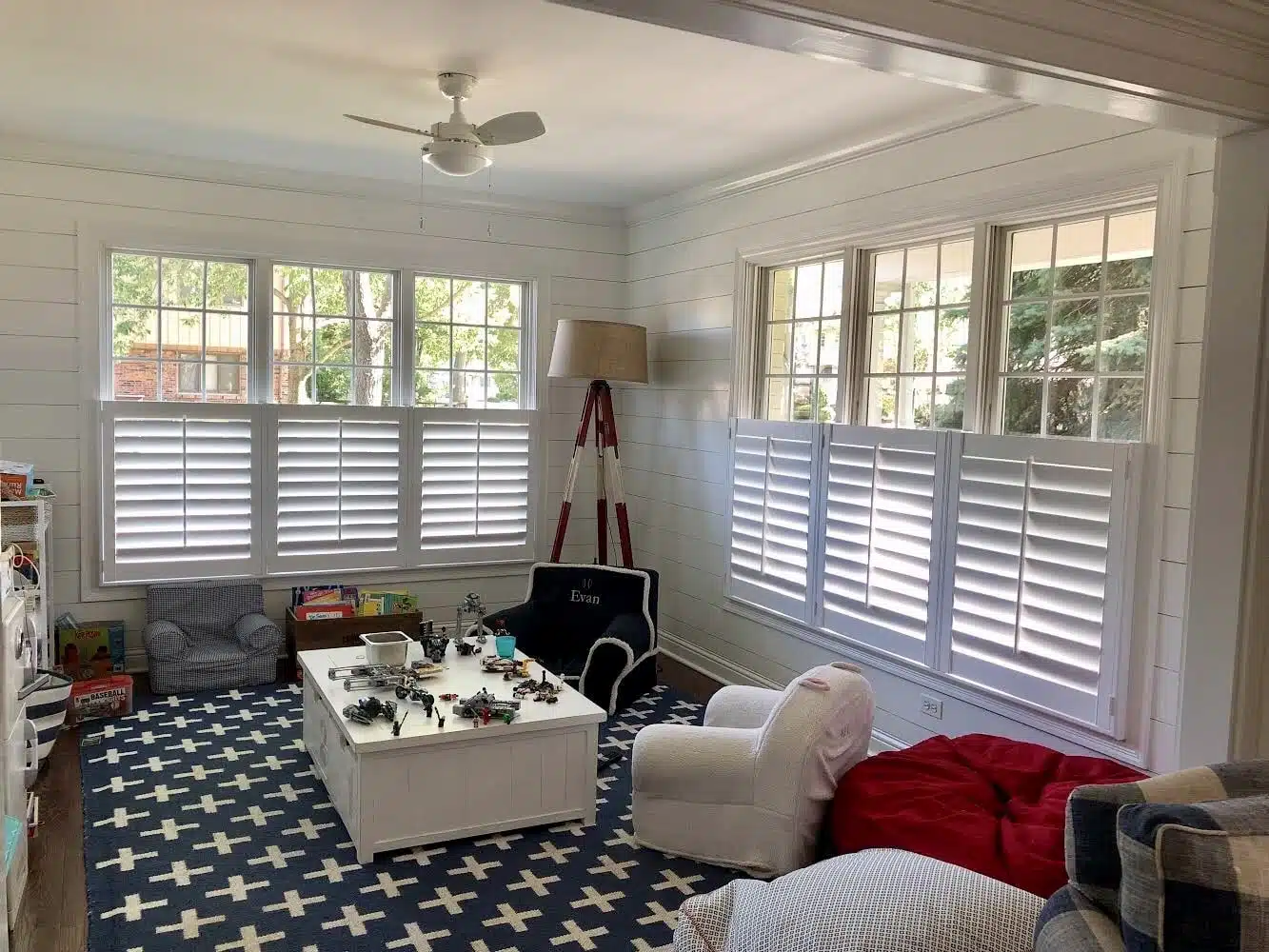
You pull gently on the bottom rail of your cordless blinds, and instead of smoothly gliding upward, they drop back down. Or worse, they refuse to budge at all. For homeowners in Shelbyville, KY, cordless window blinds and child-safe window coverings offer peace of mind and modern convenience, but when they malfunction, the frustration can darken your day. The good news? Most common issues with cordless blinds can be fixed with simple troubleshooting steps you can do yourself.
At WindowDecor, we have helped thousands of families across Kentucky and Indiana select, install, and maintain window treatments that combine safety with style. With over 30 years of experience in custom window treatments, we know that understanding how to properly care for your cordless blinds and shades will extend their longevity and keep them operating smoothly for years to come. Visit our Shelbyville window treatment specialists to learn more about our factory-direct solutions.
This step-by-step guide will walk you through how to fix cordless blind problems, provide troubleshooting solutions for roller shades, venetian blinds, vertical blinds, and cellular shades, and share maintenance tips that align with 2025 safety standards.
Understanding Cordless and Child-Safe Blinds
Cordless blinds represent a significant advancement in window treatment safety and functionality. Unlike traditional blinds with dangling cords that pose strangulation hazards to children and pets, cordless mechanisms use spring-loaded systems or motorized controls to raise and lower the blind without exposed cords.
What Makes Them Different
Cordless window blinds and shades operate through one of several mechanisms:
Spring-Assisted Systems: These use a coiled spring inside the headrail that provides tension to hold the blind at any position. You simply push up or pull gently down on the bottom rail to adjust the height.
Counterbalance Mechanisms: These employ a weight-balancing mechanism that makes the blind weightless, allowing it to stay in place wherever you position it.
Lift Systems: Roller shades and roller blinds often use a spring-loaded lift mechanism activated by pulling the bottom of the blinds downward to release the lock, then guiding them upward or letting them roll down.
Motorized Options: Battery-powered or hardwired motors control the blind movement through remote controls, wall switches, or smart home integration.
Safety Benefits for Shelbyville Families
For families in Shelbyville, KY, the safety advantages are clear. The Consumer Product Safety Commission reports that corded window coverings with tangled cords or accessible cord loops have been linked to hundreds of child injuries over the past decades. Cordless options eliminate this risk entirely while offering cleaner aesthetic appeal and easier operation for every homeowner.
Child safety regulations in 2025 require that all new blinds and shades meet strict standards to ensure safer homes. Cordless designs work properly without the friction and tangle risks associated with traditional cord systems.
The humid summers and cold winters in Shelbyville can affect how your window blinds operate. Understanding your specific mechanism type helps you anticipate and address seasonal performance changes.
Common Issues with Cordless Blinds and How to Fix Them
Even the highest-quality cordless blinds can develop issues over time. Here are the most frequent problems homeowners encounter and step-by-step solutions to troubleshoot each one.
Blinds Won’t Go Up or Stay Up
This is the most common issue with cordless blinds. The blind either drops immediately after you raise it, or the blinds won’t go up at all when you lift them.
The Cause: Spring tension loss is usually the culprit. The internal spring mechanism loses its tension over time, especially with frequent use or in extreme temperatures. The lock mechanism may also fail to engage properly.
The Solution: Most cordless blinds have a tension adjustment feature. Remove the blind from the mounting brackets and take a look at the headrail ends for small adjustment screws or clips. Turn the screw or rotate the pin clockwise to increase tension if blinds won’t stay up. Make quarter-turn adjustments and test between each adjustment to ensure proper functionality.
For roller shades, locate the pin at one end of the rail. Pull the shade down to extend it fully, then remove it from the brackets. Roll the fabric manually around the tube 3-4 times, then reinstall. This adds tension to the spring. Repeat the process if needed.
Spring Tension and Friction Issues
If your cordless blinds require excessive force to raise or lower, the spring tension may be too tight, or friction within the mechanism may be causing resistance.
The Cause: Factory settings may not match your specific blind size or weight, or the spring may have shifted from its optimal position. Dust and debris can also create friction in the moving parts.
The Solution: Locate the tension adjustment mechanism on your blind headrail. For cellular shades and honeycomb shades, this is typically a white gear or clip visible when you remove the end cap. Adjust the tension by rotating this gear gently. Most manufacturers recommend 3-5 clicks in either direction as a starting point.
For venetian blinds with cordless lift systems, check the cord lock mechanism inside the headrail. Clean any debris and ensure the internal components move freely without obstruction.
Stuck Blinds and Jamming
Your blinds move partway up or down, then jam or stick in place. The blind refuses to budge despite pulling gently on the bottom rail.
The Cause: Debris accumulation, fabric bunching, or misaligned components within the headrail can cause jamming. Vertical blinds may have clips that are out of alignment.
The Solution: Fully lower the blind and inspect the side channels and headrail for dust, pet hair, or debris. Clean thoroughly with a vacuum brush attachment. For fabric roller shades, check that the material is not bunching or catching on the rail edges.
For vertical blinds, inspect each slat and clip to ensure they align properly on the track. Gently realign any slats that are twisted or bent. Check the rod mechanism that controls the vertical movement and ensure it rotates smoothly.
If the blind uses an internal cord system, even in cordless models, the cord lock may need cleaning. Remove the bottom rail cover and inspect for tangled cords or obstructions.
Uneven Raising or One Side Higher
One side of the blind raises higher than the other, creating an uneven appearance that affects both functionality and aesthetic appeal.
The Cause: Uneven spring tension on either side of the blind, a bent bottom rail, or misaligned clips in the headrail.
The Solution: Check that the blind is properly seated in both mounting brackets. Remove and reinstall if necessary, ensuring the headrail clicks securely into place. Inspect the bottom rail for bends or warping. Use gentle pressure to straighten any minor bends.
If the rail is straight but the problem persists, you may need to adjust the spring tension on the higher side by decreasing it slightly. For blinds with lift cords on both sides, ensure equal tension by adjusting the cord lock mechanism on each side.
For venetian blinds, check that all slats hang level and that the lift mechanism engages evenly across the width of the blind.
Step-by-Step Troubleshooting Guide
When your cordless blinds malfunction, follow this systematic approach to identify and fix the problem. This guide covers roller shades, cellular shades, venetian blinds, and vertical blinds.
Resetting the Spring Mechanism
Many cordless blind issues can be resolved by performing a reset of the internal spring system. Here’s how to troubleshoot cordless blinds with spring mechanisms:
Step 1: Fully lower the blind to its maximum extension. Tug gently on the bottom of the blinds to ensure they are completely down.
Step 2: Remove the blind from the mounting brackets by pushing up and pulling the headrail toward you. The exact method varies by manufacturer, but most use a clip system that releases when you lift and tilt.
Step 3: Locate the spring adjustment mechanism on the headrail. This is usually covered by a removable end cap. Take a look inside to identify whether you have a pin, gear, or rod system.
Step 4: For spring-assisted blinds, you will see a small pin or gear. Turn this clockwise 3-5 full rotations to increase spring tension. This adjustment reduces friction and helps the blind work properly.
Step 5: Reinstall the blind in the mounting brackets and test the operation. The blind should now hold its position at any height. Pull gently to lower and push upward to raise.
Step 6: If the blind is too difficult to pull down, remove it again and reduce the tension by turning the adjustment counterclockwise 1-2 rotations. Repeat the process until you achieve smooth operation.
Fixing Roller Shades That Won’t Stay Up
Roller blinds and roller shades use a slightly different mechanism than other cordless blinds. Here’s how to fix them:
Step 1: Pull the shade down to extend it fully.
Step 2: Remove the shade from the brackets by lifting one end of the rail out, then the other.
Step 3: With the shade removed, manually roll the fabric around the tube 4-5 times. This adds tension to the internal spring.
Step 4: Reinstall the shade in the brackets, ensuring the pin on each end is properly seated.
Step 5: Test the shade by pulling it down slightly and releasing. It should retract upward smoothly. If it still won’t go up, repeat the process and add 2-3 more manual rotations.
Step 6: If the shade retracts too quickly or with too much force, you need to reduce tension. Pull the shade down halfway, remove it from the brackets, and manually unroll 2-3 rotations before reinstalling.
Troubleshooting Vertical Blinds
Vertical blinds have unique mechanisms that require specific troubleshooting steps:
Step 1: Inspect each vertical slat to ensure they hang straight and align properly. Gently straighten any bent slats.
Step 2: Check the clips that attach each slat to the track. Ensure all clips are securely attached and not damaged.
Step 3: Test the rod or chain mechanism that rotates the slats. It should turn smoothly without excessive friction. If it sticks, remove the cover and clean the gear mechanism inside the headrail.
Step 4: For cordless vertical blinds with a wand control, ensure the wand connects properly to the mechanism and that no internal components are broken.
Step 5: If slats are difficult to move horizontally along the track, clean the track thoroughly and check for obstructions. Apply a small amount of silicone spray to reduce friction if needed.
Cleaning and Maintenance for Smooth Operation
Regular maintenance prevents most operational issues with cordless blinds and shades. Follow these tips to keep your window coverings functioning properly:
Weekly Dusting: Use a microfiber cloth or duster to remove surface dust from the fabric or slats. For cellular shades, use a vacuum with a brush attachment on the lowest setting to gently clean the honeycomb structure.
Monthly Deep Cleaning: For fabric roller shades, spot-clean with a damp cloth and mild detergent. For faux wood blinds or vinyl venetian blinds, wipe down each slat with a slightly damp cloth. Always dry thoroughly to prevent moisture damage that can cause the mechanism to malfunction.
Quarterly Headrail Maintenance: Remove the end caps and use compressed air to blow out dust and debris from the headrail mechanism. This prevents buildup that can cause friction and jamming in the moving parts.
Track and Channel Cleaning: If your blinds use side channels or tracks, clean these monthly with a vacuum and damp cloth to ensure the blind can move smoothly without obstruction.
Inspect Internal Components: Every few months, take a look at the cord lock mechanism, spring housing, and any visible clips or pins. Check for wear, damage, or misalignment. Address issues promptly to prevent bigger problems.
When to Call in a Professional
Some cordless blind issues require professional attention. Contact a window treatment specialist if you experience:
Broken Internal Components: If you hear rattling or see visible damage to the spring mechanism, internal cords, or mounting hardware, professional repair or replacement is necessary. Don’t attempt to fix complex mechanisms without proper tools.
Persistent Tension Problems: If you have adjusted the spring tension multiple times and the blind still won’t work properly, the spring mechanism may be damaged beyond DIY repair.
Motorized Blind Malfunctions: Battery or wiring issues with motorized blinds and shades require specialized knowledge and tools to troubleshoot safely.
Warranty Considerations: If your blinds are under warranty, DIY repairs may void coverage. Always check your warranty terms before attempting repairs. Contact customer service for guidance.
At WindowDecor, we provide expert repair services for all types of cordless and child-safe blinds throughout Shelbyville and the surrounding areas. Our technicians can diagnose issues quickly and recommend whether repair or replacement is the most cost-effective solution.
Maintenance Best Practices for 2025
Proper regular maintenance extends the life of your cordless blinds and prevents most common issues. Follow these best practices tailored to the Shelbyville climate.
Regular Cleaning Schedule: Dust your blinds weekly and perform deep cleaning monthly. Shelbyville’s spring pollen season requires extra attention to prevent buildup that can affect blind operation and create friction in the mechanism.
Lubrication Tips: Most cordless blinds do not require lubrication, but if your venetian blinds or vertical blinds use metal components in the headrail, a light application of silicone spray once or twice per year can reduce friction and improve operation. Never use oil-based lubricants, as these attract dust and can damage fabric.
Inspection Checklist: Every three months, inspect your blinds and shades for:
- Loose mounting brackets or clips
- Frayed internal cords visible at the bottom rail
- Bent or damaged slats on venetian blinds
- Worn fabric or discoloration on roller shades
- Smooth operation through the full range of motion
- Proper alignment of vertical blind slats
- Secure attachment of all clips and pins
Seasonal Maintenance for Shelbyville Climate: Kentucky’s temperature and humidity fluctuations affect blind operation. In summer, increased humidity can cause fabric blinds to expand slightly, creating drag in the side channels. In winter, dry indoor air can cause static buildup. Adjust spring tension seasonally if you notice operational changes.
Proper Usage Techniques: Always raise and lower blinds using the bottom rail, not by pulling on the fabric or individual slats. Apply steady, even pressure rather than jerking or yanking. For large blinds, use both hands to distribute force evenly across the width. Pull gently rather than with excessive force to avoid damaging the lift mechanism.
Extending the Life of Your Child-Safe Blinds
Quality cordless blinds should last 7-10 years with proper care. Here’s how to maximize their longevity and ensure they work properly throughout their lifespan.
Proper Usage Techniques: Train everyone in your household to operate blinds correctly. Children should be supervised when adjusting window blinds until they understand the proper technique. Pets should be discouraged from batting at or climbing on window treatments, as this can bend slats, damage clips, and cause the mechanism to malfunction.
Avoiding Common Mistakes: Never force a blind that is stuck or jammed. Forcing the mechanism can break internal components, damage the spring, or cause the cord lock to fail. Instead, troubleshoot the issue using the steps outlined above or call in a professional.
Avoid exposing blinds to excessive moisture, which can damage both fabric and mechanical components. In bathrooms, ensure proper ventilation to prevent humidity from affecting roller shades or cellular shades.
Don’t adjust blinds when they are only partially installed or when one side is higher than the other. Always ensure the headrail is properly seated in both mounting brackets before operation.
Product Longevity Expectations: Different cordless blind types have different lifespans and maintenance needs:
Cellular Shades and Honeycomb Shades: 7-10 years with proper care. The fabric may fade or develop wear patterns before the spring mechanism fails. These provide excellent insulation and are safer than traditional corded options.
Roller Shades and Roller Blinds: 8-12 years. The spring mechanism is typically very durable, but fabric may need replacement if exposed to direct sunlight. Regular maintenance of the lift system ensures smooth operation.
Faux Wood Blinds and Venetian Blinds: 10-15 years. These are highly durable and resistant to moisture and temperature changes. The slat material holds up well, though the lift mechanism may need adjustment over time.
Vertical Blinds: 7-10 years. The track mechanism and clips may need replacement before the vertical slats themselves wear out. Regular cleaning of the rod and track reduces friction and extends life.
Plantation Shutters: 20-30 years. While not technically cordless blinds, these represent the longest-lasting child-safe window treatment option with minimal moving parts to malfunction.
At WindowDecor, we offer a wide selection of cordless blinds and shades with varying price points and durability levels. Our team can help you select the right product based on your specific needs, budget, and the demands of each room in your home.
2025 Safety Standards and Compliance
Window treatment safety regulations continue to evolve. Here’s what Shelbyville homeowners need to know about current child safety standards and how cordless options provide safer solutions.
Current Child Safety Regulations: As of 2025, the ANSI/WCMA A100.1 standard requires that all stock window coverings sold in the United States be cordless or have inaccessible cords. Custom window treatments must meet these same standards or include prominent warning labels about cord hazards.
The focus on child safety has driven innovation in cordless mechanisms, making them more reliable and easier to troubleshoot than ever before. Modern cordless blinds eliminate the risk of tangled cords and dangling cords that posed strangulation hazards in older window coverings.
What to Look for in New Purchases: When buying new cordless blinds or shades, verify that they meet current ANSI/WCMA standards. Look for the Best for Kids certification from the Window Covering Manufacturers Association. This certification indicates the product has been independently tested and meets the highest safety standards.
Check that the lift mechanism operates smoothly and that the blind can be raised and lowered with minimal force. Test the lock mechanism to ensure the blind stays in place at any height. Inspect the quality of clips, pins, and other components that could break or cause the blind to malfunction.
For homes with pets as well as children, consider how the window covering will hold up to daily interaction. Roller shades and cellular shades tend to be more pet-resistant than venetian blinds or vertical blinds with individual slats that can bend.
Upgrading Older Blinds: If you have older corded blinds in your home, especially in rooms where children or pets spend time, consider upgrading to cordless options. Many homeowners in Shelbyville are taking advantage of this transition to also improve energy efficiency with cellular shades or upgrade to motorized options for convenience and enhanced safety.
During installation of new cordless blinds, ensure proper mounting to prevent the entire blind from falling. Use appropriate anchors for your wall type and follow manufacturer specifications for bracket placement across the width of the window.
WindowDecor stays current with all safety regulations and only offers products that meet or exceed current standards. Our free in-home consultations include a safety assessment of your existing window treatments and recommendations for upgrades where needed.
Key Takeaways for Cordless Blind Care
Cordless and child-safe blinds offer unmatched safety and convenience for Shelbyville families, but they require proper maintenance to operate smoothly. Most common issues with cordless blinds like tension problems, stuck blinds, jamming, and uneven operation can be fixed with simple troubleshooting steps. Regular maintenance, seasonal adjustments, and proper usage techniques will extend the longevity of your blinds to their full 7-15 year potential.
Key tips for maintaining cordless blinds and shades:
- Adjust spring tension when blinds won’t go up or stay in position
- Clean regularly to prevent debris buildup that causes friction and jamming
- Inspect quarterly for wear and damage to clips, pins, and the lift mechanism
- Use proper operating techniques and pull gently to avoid mechanism damage
- Reset the spring in roller shades by manually rolling the fabric when tension is lost
- Align and straighten slats on venetian blinds and vertical blinds to ensure smooth operation
- Know when to call in a professional for complex repairs or broken internal components
Understanding your specific mechanism type, whether roller shades, cellular shades, venetian blinds, or vertical blinds, and following manufacturer guidelines ensures optimal functionality year-round. Cordless window blinds provide safer homes for children and pets while offering the aesthetic appeal and convenience modern homeowners expect in 2025.
Get Expert Help with Your Window Treatments
If your cordless blinds need professional troubleshooting, repair, or if you’re considering upgrading to newer, safer options, WindowDecor is here to help. Our family-owned business has served Shelbyville, KY homeowners for over 30 years with factory-direct pricing and expert installation.
We offer free in-home consultations where we assess your current window blinds and shades, discuss your needs and preferences, and provide honest recommendations. Whether you need to fix a simple tension issue, troubleshoot a stuck blind, or complete a home transformation with new child-safe window coverings, our team guides you through every step of the process.
Our customer service team understands the frustration when blinds won’t work properly and can help you determine whether a repair or replacement is the best solution. We carry a full range of cordless options including roller blinds, cellular shades, venetian blinds, vertical blinds, and faux wood blinds to ensure you find the perfect covering for every window.
Contact WindowDecor today at (502) 713-3535. We’re open Monday through Friday, 8:00 am to 5:00 pm, with weekend appointments available. Let us help you create a safer, more beautiful home with window treatments that work properly for years to come.