
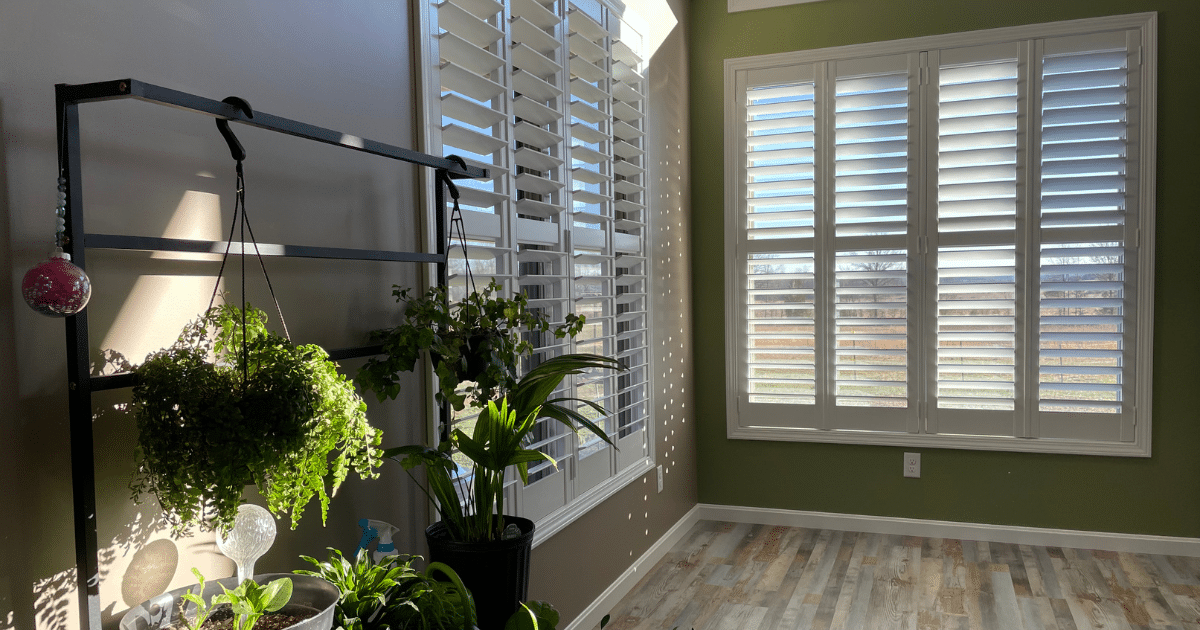
Spring is a good time to reassess your home’s window treatments. Outdated blinds, ill-fitting shades, and heavy coverings can hold a room back from feeling its best. WindowDecor serves Louisville, KY homeowners with free in-home consultations and custom window treatments made to fit every room perfectly.
Your Louisville Home Deserves a Fresh Look This Spring
Louisville springs are bright, warm, and full of longer days. That means more natural light pouring into your home and more reason to take a second look at your window treatments.
Maybe your blinds have yellowed over the years. Maybe you repainted a room, and the shades no longer work with the new color. Or maybe you’ve simply lived with mediocre window coverings long enough.
Whatever the reason, spring is when most Louisville homeowners start thinking about refreshing their interiors. Window treatments are one of the highest-impact changes you can make, and one of the most overlooked.
This guide walks you through the best spring window treatment ideas, room by room. It also covers what to look for, what to avoid, and why custom window treatments are usually the smarter long-term investment.
Why Window Treatments Matter More Than You Might Think
Window treatments do more than block light or add visual interest. They control how much UV radiation enters a space, help regulate indoor temperature, and affect how private your home feels during the day.
During spring and summer in Louisville, the sun angle changes. Light comes in at different times of day and from different directions than it did in winter. Treatments that worked fine in January may leave you with uncomfortable glare or overheated rooms by May.
Worn or poorly fitted window treatments also affect home value. Buyers notice them. Guests notice them. And once you swap them out, you notice how much better a room can look and feel.
Room-by-Room Spring Window Treatment Ideas
Living Room: Light-Filtering Roller Shades
The living room takes the most traffic and usually the most light. A good spring update here goes a long way.
Light-filtering roller shades are a strong choice for Louisville living rooms. They soften natural light without blocking it entirely. You get a bright, open feel during the day without harsh glare on screens or furniture.
Roller shades come in a wide range of fabrics and opacities. An opacity rating tells you how much light a shade lets through; lower opacity means more light diffusion. A designer can help you choose the right rating for your room’s exposure and how you use the space.
For rooms that face west, where the afternoon sun in Louisville can be intense, a slightly higher opacity fabric may serve you better. For north-facing rooms with softer light, a sheer or light-filtering option keeps things bright without feeling closed in.
Neutral tones, warm whites, soft greiges, and natural linens tend to work well for spring and carry through the warmer months without feeling heavy.
Dining Room: Woven Wood Shades
Woven wood shades (also called natural shades or bamboo shades) are a natural fit for dining spaces. They add warmth and texture without competing with furniture or artwork.
The material itself, grasses, reeds, jute, or bamboo woven together, brings an organic quality that works well in transitional and contemporary homes alike. They filter light gently and look especially good during the long, golden evenings of late spring.
One thing to know: woven wood shades are not fully light-blocking. They allow some light to pass through the weave, which creates a soft, warm glow. If you need more privacy in your dining room, a fabric liner can be added to the back. This gives you the look of woven wood with better light control and privacy when you need it.
These shades are custom-made to fit your windows exactly, so the fit looks intentional, not like something bought off a shelf and trimmed down to size.
Bedroom: Cellular Shades or Plantation Shutters
Bedrooms need two things that are sometimes in conflict: good blackout for sleeping and attractive design.
Cellular shades (also called honeycomb shades) are a strong choice here. The honeycomb cell structure traps air between the window and the room, which helps with temperature control. They come in single-cell and double-cell options. Double-cell provides better insulation, which matters during Louisville’s warm summers and cold winters.
For light control, cellular shades come in light-filtering and blackout varieties. A blackout cellular shade in the bedroom gives you real darkness when you need it, without compromising on the clean, minimal look of the shade itself.
Plantation shutters are another excellent option for bedrooms, especially in homes with a more traditional or transitional style. They offer precise light control through adjustable louvers (the horizontal slats you tilt to direct light). You can angle them to bring in morning light without direct sun hitting your face, or close them completely for full privacy at night.
Plantation shutters are also one of the most durable and longest-lasting window treatments available. With proper care, they can last decades, which makes them a worthwhile investment for a primary bedroom.
Home Office: Transitional Shades for Focus and Comfort
Home offices need window treatments that reduce screen glare without making the space feel dark or cave-like.
A good solution is a dual-shade system pairing a light-filtering shade with a room-darkening shade on the same window. You use the light-filtering shade during most of the day and drop the room-darkening shade when glare becomes a problem, or you need to focus on video calls.
Motorized dual shades make this even easier. With the touch of a button or a voice command, you adjust both shades independently. Hunter Douglas PowerView automation is one option that integrates with smart home systems like Google Home and Amazon Alexa.
Kitchen and Bathroom: Easy-Care Options That Work
Kitchens and bathrooms need window treatments that handle moisture, heat, and easy cleaning.
Faux wood blinds are a practical choice for kitchens. They look like real wood but resist warping and moisture better than natural wood. They are also easy to wipe clean, which matters in a room where grease and steam are common.
For bathrooms, moisture-resistant cellular shades or faux wood blinds are both solid options. Avoid natural wood or woven materials in high-humidity bathrooms, as they can warp or mildew over time.
In smaller bathroom windows, privacy is usually the top priority. A top-down/bottom-up shade lets you raise the bottom of the shade for privacy while keeping the top open for natural light. This is a simple, effective solution that works especially well in bathrooms that face neighboring homes or a street.
Spring Design Trends Worth Knowing
You don’t need to chase trends, but a few current directions are worth considering as you plan your refresh.
Natural textures are widely popular right now. Woven wood shades, linen-look roller shades, and natural wood shutters all reflect a broader design shift toward organic, grounded materials. This pairs well with the earthy and muted palettes that are showing up across interior design.
Layering window treatments is another approach gaining ground. This means combining a sheer or light-filtering shade with a drapery panel on either side. The shade handles function (light control, privacy) while the drapery adds softness, height, and visual warmth. This look works well in living rooms and master bedrooms.
Motorization continues to grow as homeowners invest in convenience and smart home integration. If you’re already updating your window treatments, it’s worth considering motorized options, especially for high windows, large windows, or rooms where you adjust treatments frequently.
Custom vs. Off-the-Shelf: What’s the Actual Difference?
This is one of the most common questions homeowners ask, and it deserves a direct answer.
Off-the-shelf window treatments from big-box retailers come in fixed sizes. If your windows don’t match those sizes exactly, and most windows don’t, you’re either trimming a shade to fit or dealing with gaps, uneven hems, or treatments that hang awkwardly. They are also manufactured to a price point, which often means thinner fabrics, cheaper hardware, and shorter lifespans.
Custom window treatments are made to your exact window measurements. The fabric weight, lining options, hardware, and mounting style are all chosen specifically for your windows and your goals. The result is a treatment that fits and functions the way it should from day one.
Custom doesn’t always mean dramatically more expensive. For many window types and styles, the price difference between a quality custom shade and a comparably performing off-the-shelf option is smaller than people expect. And because custom treatments last longer and fit better, they tend to deliver more value over time.
WindowDecor operates a factory-direct model. That means your treatments are manufactured without a middleman, which keeps pricing more accessible than you might expect for a fully custom product. Projects typically range from $100 to $20,000, depending on the scope.
How WindowDecor Helps Louisville Homeowners Get It Right
WindowDecor has served Louisville, KY, and the surrounding area since 1993. The company is family-owned and still operated by the Leadingham family; three generations are involved in the business today.
Their process is designed to remove the guesswork from window treatment selection:
- Free in-home consultation. A design consultant comes to your home, evaluates your windows, and walks you through options that fit your style, light needs, and budget. Appointments are available on evenings and Saturdays.
- Custom measurement and manufacturing. Your treatments are made to your exact window dimensions. Most products are manufactured in the USA.
- Professional installation. WindowDecor’s team handles the installation. You don’t need to figure out mounting hardware or worry about a crooked hang.
- Warranty coverage. WindowDecor stands behind their work and their products.
You can find them on Google Maps, visit their custom window treatment services page, or browse the WindowDecor blog for more ideas and guidance.
What Louisville Homeowners Should Know Before Refreshing Their Window Treatments
A spring refresh doesn’t have to mean replacing every treatment in your home. Start with the rooms where you spend the most time or where the current treatments are most visibly worn or out of place.
Think about the function first. What does each room actually need: light filtering, privacy, insulation, or blackout? Get those needs right, and the style will follow naturally.
When in doubt, bring in a professional before purchasing. An in-home consultation is free, and it can help you avoid buying something that looks right in a showroom but doesn’t work in your space.
If you’re updating multiple rooms at once, talk to your designer about creating a cohesive look across the home. That doesn’t mean every room needs to match; it means the choices feel intentional and connected.
Quick Answers
What are the best window treatments for spring light filtering?
Light-filtering roller shades and cellular shades are among the most effective options. They soften direct sunlight without blocking it entirely, which works well during longer spring and summer days.
How long does it take to get custom window treatments installed?
The typical timeline runs from consultation through installation in about two to six weeks, depending on the products selected and manufacturing lead times.
Are custom window treatments worth the extra cost?
For most homeowners, yes. Custom treatments fit better, last longer, and perform better than off-the-shelf options. Over time, they tend to offer better value, especially when purchased factory-direct.
What’s the difference between light-filtering and blackout shades?
Light-filtering shades soften incoming light but don’t block it. Blackout shades block nearly all light from entering a room. Most bedrooms benefit from blackout; living spaces and offices are usually better served by light-filtering.
Do I need a professional to install window treatments?
For standard window sizes and simple treatments, some homeowners handle installation themselves. For custom treatments, odd-shaped windows, motorized systems, or whole-home projects, professional installation ensures a clean result and protects your warranty.
Ready to Refresh Your Louisville Home This Spring?
WindowDecor offers free in-home design consultations for Louisville, KY, homeowners. Their design team will measure your windows, walk you through options, and help you find treatments that fit your style and budget – with no pressure and no guesswork.
Call (502) 713-3535 to schedule your consultation. Evening and Saturday appointments are available.
Key Takeaways
- Start your spring refresh in the rooms where you spend the most time or where worn treatments are most noticeable.
- Choose window treatments based on function first – light control, privacy, insulation – then match to your style.
- Light-filtering roller shades work well in living rooms; woven wood shades add warmth to dining spaces; plantation shutters offer lasting value in bedrooms.
- Cellular shades provide real energy efficiency benefits, especially in rooms with significant sun exposure.
- Faux wood blinds are the practical choice for kitchens and moisture-prone bathrooms.
- Custom window treatments fit better, last longer, and often cost less over time than repeatedly replacing off-the-shelf options.
- Layering shades with drapery panels adds depth and style to living rooms and primary bedrooms.
- Motorized treatments are worth considering when updating multiple rooms or high-traffic windows.
- A free in-home consultation removes the guesswork and helps you avoid costly mistakes before you buy.
