
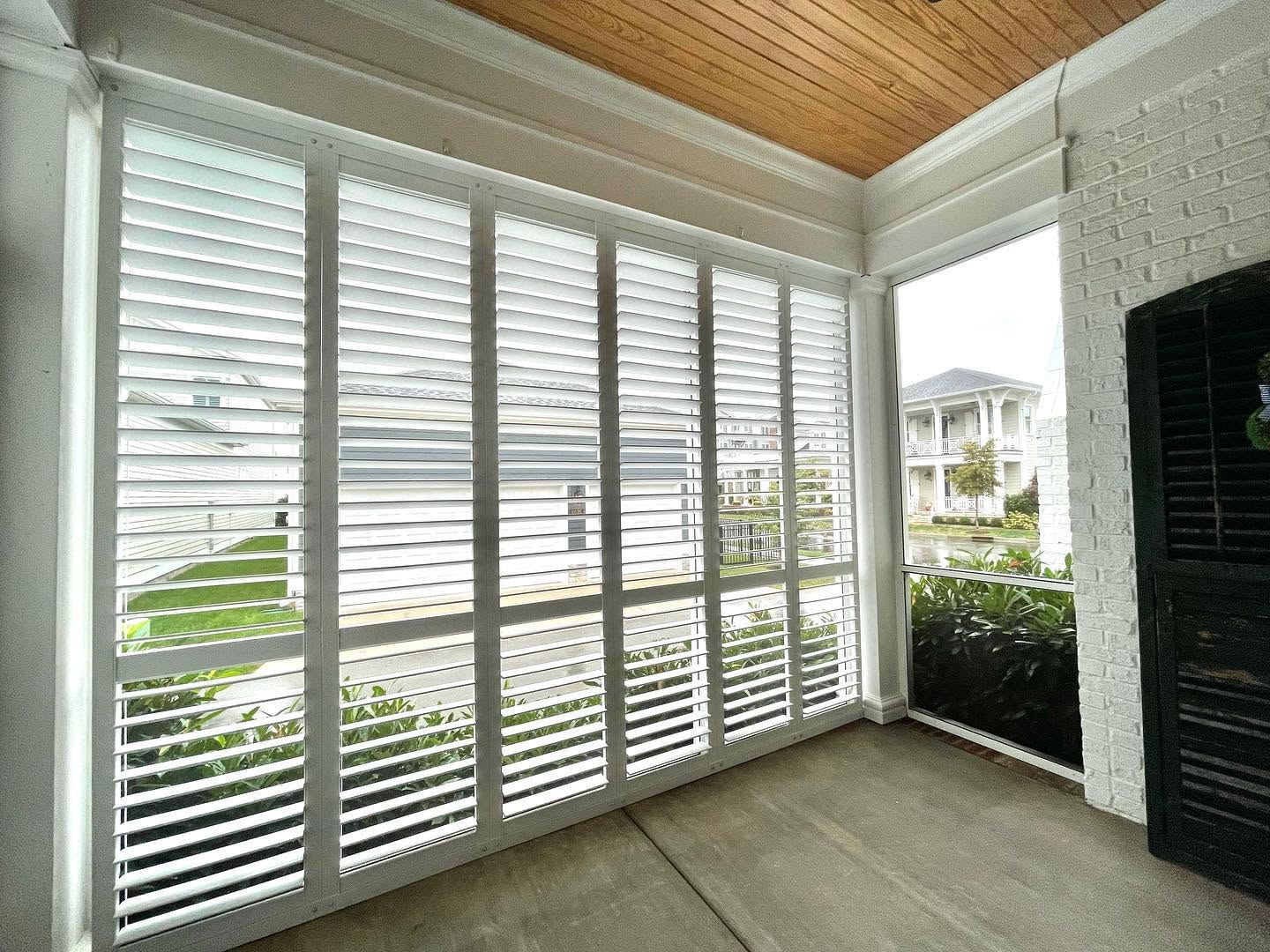
Planning window treatments for new construction works best before the drywall goes up. Blocking, prewiring, and bare transom windows cost little to handle now and a lot to fix later. This guide shows what to decide, in what order, and when to call a pro.
Building a New Home in Carmel? Your Window Plan Starts Before the Walls Close
Building in Carmel is a big project. You have chosen the lot, the floor plan, and the finishes, and window coverings can feel like a last detail. In a new build, they are not.
Many homes in Carmel, Westfield, Zionsville, and Fishers have tall great rooms and two-story foyers. Floor-to-ceiling glass fills these living spaces with sun-drenched light. It is hard to cover well once the walls are finished.
WindowDecor is a family-owned custom window treatment company, founded in 1993. We serve the Indianapolis area, and our Carmel window treatments page shares local details.
The Problem: Easy Choices Now, Costly Fixes Later
After drywall, you cannot add support or run wire inside a wall without opening it. That is the core problem for every homeowner in a new build.
It also creates stress. Your builder’s schedule moves fast, and you may worry about choosing wrong for rooms you cannot picture yet.
The cost shifts quickly. A small request during framing can become a patch, a repaint, and a delay after move-in. You deserve a finished home that works well without surprise projects.
What to Decide Before the Drywall Goes Up
Blocking for Heavy Panels on Tall Windows
Blocking is extra wood framing inside the wall. It gives heavy window treatments a solid place to attach.
Tall great-room windows often hold large, heavy panels. Those panels need firm support behind the trim.
Ask your builder to add blocking around every window where you want shutters. Request it before insulation goes in.
Prewiring for Motorized Shades in a Two-Story Foyer
Prewiring means running low-voltage power to a window before the walls close. Motorized shades then connect with no wires showing.
Motorization suits a hard to reach foyer window best. No one wants to climb a ladder to adjust a shade. Motors give you control over light from a phone. Our guide to motorized shades for hard-to-reach windows covers the options.
Battery-powered shades also exist, so wiring is a choice, not a rule. Most can run from a remote or an iPhone, and some fit a smart home setup. Ask us which systems we support.
Consider prewiring if you want:
- Remote or phone control of a window you cannot reach
- A clean look with no visible cords
- Fewer battery changes over time
Transom and Clerestory Windows Builders Leave Bare
A transom is a small window above a door or another window. A clerestory is a high window near the ceiling that lets in light.
Builders often leave these windows bare. They bring in natural light, but they also bring glare, heat, and UV rays. Decide now how much light control you want there.
Solar shades can reduce glare without sacrificing natural light, and they help with preserving views. UV protection also slows fading on floors and furniture. Because these windows sit high, a motor is often the practical choice.
The Builder Allowance Trap
Many new-build contracts include a window covering allowance. That money often buys basic builder-grade blinds, and many homeowners replace them after moving in.
Ask your builder exactly what the allowance covers. You can often apply it toward a better product instead. Custom products are made to handle daily wear and tear. Get the details in writing.
Choosing the Right Window Treatments for Each Room
Choosing window treatments feels easier with a short list. The best window treatment depends on how each room works.
Interior window treatments do more than decorate. They support home functions like sleep, work, and family time. Window shades and other interior shades also come in many fabrics, and most homes use both shades and blinds. The choice of shades or blinds often comes down to light, privacy, and budget.
Here are the types of window coverings we make and install. Popular window coverings for great rooms include solar shades, roller shades, and cellular shades.
- Plantation shutters: Hinged panels with adjustable slats for light control and privacy.
- Cellular shades: Also called honeycomb shades, with pleat pockets that trap air.
- Roller shades: A clean, flat look in many colors and fabrics.
- Roman shades: Soft fabric folds that bring warmth and a classic look.
- Woven wood shades: Natural wood shades with woven textures that add visual interest.
- Solar shades: Fabric that cuts glare while keeping the view.
- Wood blinds and vertical blinds: Slat-based blinds; the vertical style suits sliding doors.
- Drapery: Custom panels and sheers that layer over blinds or shades.
Living Rooms and Great Rooms
Living rooms need light and privacy together. Light-filtering roller shades or solar shades keep the room bright and cut glare. Louvered panels work well on lower windows, and drapery adds softness.
Bedrooms
This room needs sleep-friendly light control. Blackout and room-darkening shades block out light from early sun and streetlights. Cordless styles remove loose cords, which suits a bedroom with young children.
Energy Efficiency Throughout the Home
Cellular shades have pleat pockets. Each pocket traps air. This adds an extra layer of insulation at the window and can reduce heat in summer and cold in winter. An energy-efficient setup may help lower energy costs over time, and louvered panels add insulation too. Insulation also supports improving comfort in every season.
Style and Design
Fabric, finish, and color choices create endless design possibilities, so a plan helps narrow them. Neutral tones suit most home decor. A single hue in a Roman shade or in sheers can add color to a room.
Good interior design treats windows as part of the overall design. Plan each window as you plan each lighting fixture. Our factory offers a wide range of colors, and many customization options carry no added cost.
A Simple Order of Decisions
Follow these steps as your build moves forward.
- Before framing ends: List the windows where you want heavy panels, and request blocking.
- Before electrical rough-in: Choose which windows get motors, and request prewiring.
- Before insulation: Flag transom and clerestory windows, and pick a cover type.
- Before final selections: Ask what your builder allowance covers.
- After drywall: Book a professional measure for exact sizing.
- Plan lead time: Custom orders usually take 2 to 6 weeks to make, depending on the product.
What Affects the Price
We do not quote prices without measuring. These factors drive the cost of custom window treatments:
- Window size and shape
- Material, such as wood, composite, or fabric
- Motorized or manual operation
- Number of windows
- Height and installation difficulty
We make nearly all of our products in our own factory. That means factory-direct pricing with no middleman markup. Our custom blinds and shades page shows what we offer.
Expert Insights: When to DIY and When to Call a Pro
Some steps are yours to handle. Reading your builder contract, listing your windows, and asking about the allowance are good DIY tasks.
Call a professional when:
- Windows are taller than a standard ladder reaches
- You want custom panels on large or unusual shapes
- You plan motorized shades or prewiring
- Your drywall date is close
Framing and wiring are the points of no return. A short call is cheaper than opening finished drywall. We also stand behind our work, with lifetime warranties on nearly all of our products.
A Louisville customer called us a “fantastic experience on new construction.” Our team brings that same process to Carmel homeowners, from first measurement to final installation.
Plan Now, Enjoy Your Windows Later
Treat your windows as part of the build, not an afterthought. A few early requests can save you from patches, extra costs, and early replacements. Carmel homeowners who plan before drywall get a cleaner result and fewer surprises.
Quick Answers
When should I plan window treatments in a new build?
Plan before framing ends and before electrical rough-in. Those two stages control blocking and prewiring.
What is blocking in a wall?
Blocking is extra wood framing inside the wall. It gives heavy panels a solid spot to attach.
Do I need to prewire for motorization?
No. Battery-powered shades work without wiring. Prewiring gives a cleaner look and less upkeep, mainly on high windows.
Are builder-grade blinds worth keeping?
They cover the window at move-in. Many homeowners replace them later, so ask whether you can apply the allowance to a better product.
Do you serve Carmel?
Yes. We serve Carmel and the surrounding Indianapolis area. See our Carmel page.
Talk to Us Before the Drywall Goes Up
Building in Carmel? Book a free design consultation with WindowDecor. We will review your plans and tell you what to request from your builder.
Call (502) 713-3535, email [email protected], or find us on our Google Business Profile. You can also read our new builds and renovations planning guide for a broader checklist.
Key Takeaways
- Request blocking before insulation and drywall.
- Ask for blocking behind tall windows that hold heavy panels.
- Decide on motorized shades before electrical rough-in.
- Consider prewiring for hard-to-reach foyer windows.
- Flag transom and clerestory windows early.
- Ask exactly what your builder allowance covers.
- Match each room to a shade type for light control and privacy.
- Book a professional measure after drywall.
- Call a pro for tall, large, or motorized installs.
