
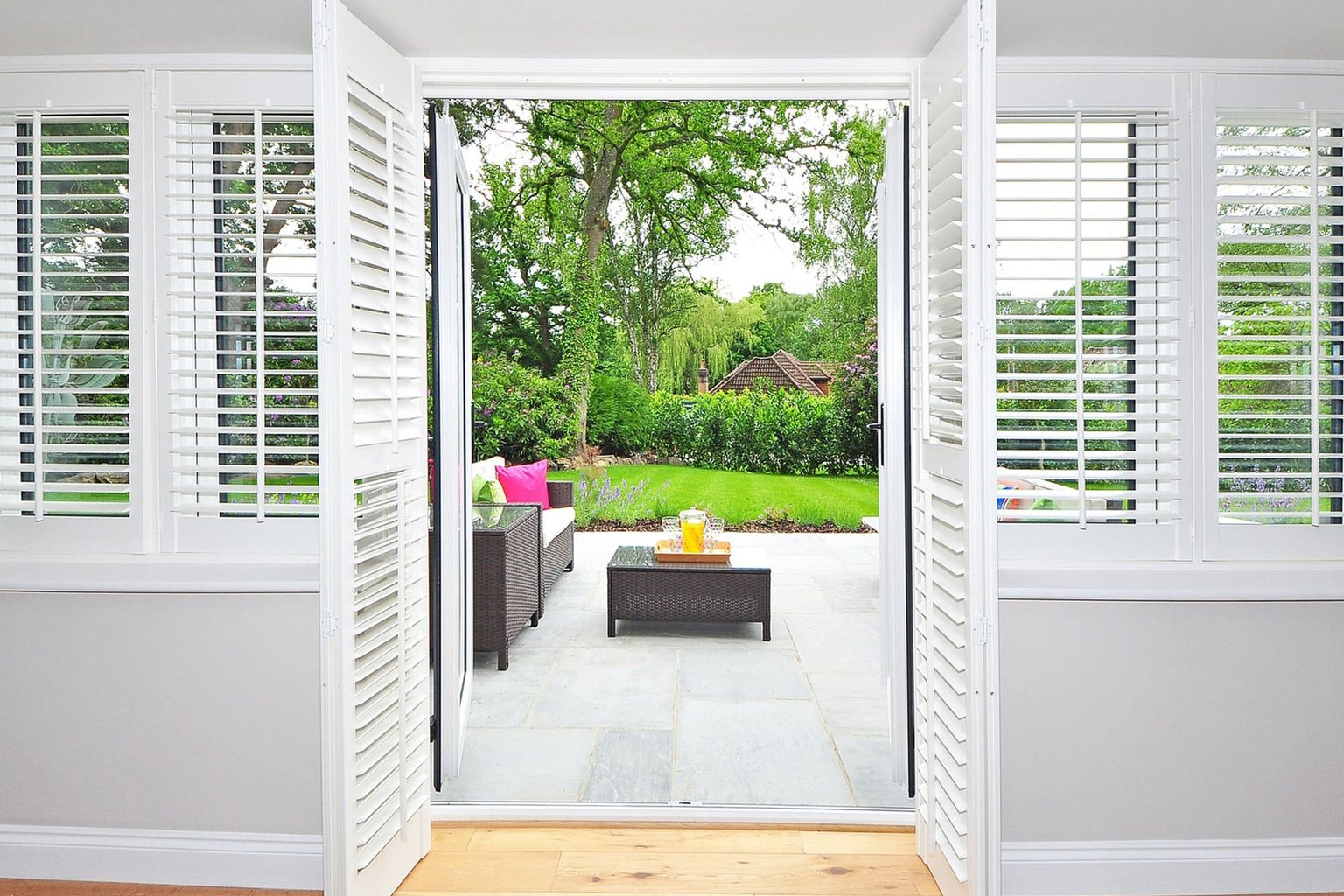
Plantation shutters can last longer than blinds and shades because they use solid panels, louvers, hinges, and frames. Their durability depends on material, sun exposure, humidity, installation, and upkeep. Repair may be worthwhile when one part fails, while replacement may fit widespread damage.
A louver can stop staying in place without making the whole covering unusable. You may also find a warped panel, loose hinge, damaged tilt rod, or failed motor. Start by identifying the failed part and checking whether the remaining components still work safely.
How Long Do Plantation Shutters Last?
How long do plantation shutters last depends on their material, installation, daily use, and care. They are built with a frame, panels, louvers, hinges, and tilt components. Those solid parts can sometimes be adjusted or repaired when damage stays limited.
The lifespan of plantation shutters depends on the selected material and the room where they are installed. Wood, composite, and poly options can respond differently to sunlight, moisture, cleaning, and daily use. High-quality plantation shutters need a good fit and a material suited to the room.
WindowDecor offers custom plantation shutters in furniture-grade basswood, waterproof poly, and high-density composite. A custom shutter is made for the window opening and trim. Proper fit can help the panels open, close, and align correctly.
What Affects the Lifespan of Plantation Shutters?
Sunlight, humidity, mounting, and handling all affect how long these panels remain in good condition. The durability of your shutters can also change when a moving part becomes loose or the material no longer suits the room. They are made to move, so hinges and louvers need regular attention.
- Direct sunlight can affect finishes and heat panel surfaces.
- Humidity can affect materials and moving hardware.
- Loose mounting can place stress on hinges and frames.
- Repeated force can damage louvers, tilt rods, or louver pins.
- Cleaning methods can affect paint, finishes, and moving parts.
- A failed component can affect nearby parts.
A shutter is a window covering with solid panels and adjustable louvers. Louvers are horizontal slats that open and close for light and privacy. Plantation shutters are designed to give you adjustable coverage without using cords or fabric panels.
WindowDecor has provided custom window treatments since 1993. We are family-owned and provide custom shutters, blinds, shades, professional installation, and warranty work.
Do Plantation Shutters Last Longer Than Blinds or Curtains?
Plantation shutters may last longer than blinds or curtains because they use framed panels instead of cords or hanging fabric. That does not mean every panel will outlast every other option. Material condition, mounting, and daily use still matter.
Plantation shutters typically last well when their hinges, louvers, frames, and finish stay in good condition. Yet they aren’t right for every room or every budget. A well-fitted shade or curtain can still work well when it fits the room’s needs.
Blinds use slats that tilt or lift. Shades use fabric or another continuous panel that raises and lowers. Curtains or blinds may be the better fit when you want a softer look, lower-profile coverage, or a different light-control style.
What Can Shorten the Life of Other Coverings?
Other coverings can develop issues with slats, cords, brackets, fabric, lift systems, or motors. A limited failure may be repairable. Replacement may be more practical when several components no longer work.
Cellular shades use folded fabric with honeycomb-shaped cells. Roller shades use a single fabric panel that rolls onto a tube. Motorized shades use a motor and controls, so the issue may involve the motor, control, power source, or fabric panel.
A failed motor does not always mean the full covering needs replacement. An inspection can help identify the cause. That keeps you from replacing a product before you know which part has failed.
What Are Common Problems With Plantation Shutters?
Loose louvers, broken louver pins, sticking panels, loose hinges, warped components, and damaged tilt rods can affect daily operation. Each concern has a different cause and repair path. Do not force a panel that catches or will not close.
A tilt rod is the piece that connects louvers so they move together. A louver pin holds a louver in place within the panel. These parts need to work together for smooth light control and privacy.
What Causes Loose or Broken Louvers?
A loose louver may have a worn pin or a connection that needs adjustment. When shutters are damaged, the cause may be impact, force, or material movement. Check whether one louver is damaged before considering a full replacement.
Plantation shutter replacement slats or louvers may be possible when a matching part is available. Material, finish, louver size, and panel design affect whether a new part will match. Ask for an inspection before ordering a replacement part.
What Causes Sticking Panels and Loose Hinges?
A panel can stick when hinges, mounting, or alignment need attention. It can also catch when the frame shifts or another part interferes. Pulling harder can create more damage.
Loose hinges may need adjustment or replacement. A professional can check the frame, panel, hinge placement, and surrounding trim. This helps find the cause before replacing a part that was not the problem.
For more help with sticking panels and loose louvers, read our guide to troubleshooting plantation shutter problems.
Which Shutter Material Will Last the Longest?
The material that lasts the longest for your home depends on the room’s moisture, sunlight, and use. Wood, composite, and waterproof poly each have different strengths. Choosing the right shutter means matching the material to the conditions it will face.
Real wood shutters can bring natural warmth to a bedroom or living room. Wood shutters offer a furniture-like look that can suit traditional trim. Composite products offer another material choice, while waterproof poly is an option WindowDecor offers for moisture-prone areas.
Can Humidity Affect Wood, Composite, and Poly?
Humidity can affect materials and hardware, especially in a kitchen, bathroom, or another damp space. Waterproof poly may be worth discussing where moisture is a concern. Your home’s indoor conditions can impact the longevity of plantation shutters.
Climate inside the home matters as much as conditions outside. A shower area and a dry living room place different demands on a covering. Select material based on the location instead of choosing by color alone.
Shutters are typically selected for both appearance and function. A material that looks right in a living room may not be the right style for a bathroom. Ask for product details and warranty terms in writing before making a final choice.
Can Sunlight Change the Finish?
Sunlight can affect finishes and materials over time. UV exposure can fade surfaces, while heat can affect materials differently. Consider sunlight when choosing a finish, paint color, and material.
Do white plantation shutters go yellow? Finish changes can depend on the product, sunlight, cleaning products, and room conditions. Ask about care requirements and warranty terms for the selected material.
Do Plantation Shutters Help With Heat and Privacy?
Plantation shutters can manage light and add a layer between the room and the window. They do not eliminate heat transfer through glass, frames, or gaps. Their effect depends on fit, louver position, material, and window condition.
Insulation is resistance to heat flow. These panels provide adjustable louvers that can change light and privacy through the day. They do not correct a failed window seal or damaged frame.
Close louvers when direct sunlight creates glare or unwanted warmth. Open them when you want daylight or a clearer view. Discuss energy concerns during a consultation if a window feels unusually hot or cold.
WindowDecor’s plantation shutters are American-made. They can be customized by material, color, louver size, and tilt option. Those choices shape the finished look and daily operation.
Are Plantation Shutters Worth It Compared to Blinds?
Whether plantation shutters are worth it depends on the room, material, budget, and function you need. They cost more than blinds in some comparisons because they use framed panels, custom sizing, and hardware. That investment may fit homeowners who want adjustable louvers and a built-in appearance.
Plantation shutters are a classic choice for homes with traditional or tailored interior design. They are often selected for bedrooms and living rooms where privacy and adjustable light matter. They can also complement a home’s trim instead of covering it with fabric.
Shutters add a solid architectural look to a room. They are one of the few window coverings that use hinged panels and adjustable louvers together. Still, they won’t last without suitable material, sound mounting, and regular care.
What Should You Consider Before Installing Shutters?
Installing shutters begins with the window opening, trim, room conditions, and desired operation. Shutters tailored to the opening can align better than a product selected without measuring. Poorly installed shutters may develop alignment or hinge concerns that affect daily use.
Ask whether the frame can support the selected design. Ask how the panels will open around furniture, doors, and nearby walls. Those details help determine whether this option fits the room.
When Is Plantation Shutter Repair Worth It?
Plantation shutter repair may be worth it when damage is limited and the frame, panels, and remaining parts are sound. A loose hinge, one damaged louver, or an alignment issue may need a targeted repair. Replacement may fit widespread damage or unavailable matching parts.
Start with the concern you can see. Then check whether the covering still opens, closes, and adjusts safely. Repair makes more sense when it addresses the actual cause instead of only hiding the symptom.
When Can Repair Make Sense?
Repair can be a reasonable next step when:
- One louver has come loose from its pin.
- A hinge needs adjustment or replacement.
- A tilt rod has a limited connection problem.
- A panel catches because alignment needs attention.
- One working part failed while the remaining covering stays sound.
- The material and finish remain in good condition.
When Should You Discuss Replacement?
Replacement may be worth discussing when:
- Several louvers are broken or warped.
- The frame is damaged or no longer stable.
- The current material no longer fits the room conditions.
- Matching replacement slats are unavailable.
- Several working parts have failed across the system.
- You want different light control or privacy.
Budget products and high-quality plantation shutters can use different materials and construction. Shutters made for one window may not match another panel years later. Compare the repair need, available matching parts, and your goals before deciding.
If you also have damaged blinds, our article on signs it may be time to replace your blinds can help you compare the condition of each covering.
How Can You Keep Your Shutters in Top Shape?
Gentle cleaning can help you spot loose parts before they become larger concerns. Keeping your shutters clean helps you notice changes in louver movement, hinges, paint, and hardware. Cleaning does not repair structural damage.
Use care guidance for your selected product. Avoid cleaners that may affect the finish or material. This routine can help keep your shutters looking great and help you notice concerns early.
What Should You Check While Cleaning?
Check for changes in operation and appearance:
- Louvers that will not stay in position.
- Hinges that feel loose or scrape.
- Panels that catch against the frame.
- Frayed cords or uneven shade movement nearby.
- Finish changes or visible wear.
- Motorized controls that no longer respond as expected.
Do not climb, stretch, or use unsafe access methods for high windows. Inspect from a safe position, then arrange help for windows you cannot reach safely. Care helps ensure the shutters stay in working condition before you force a damaged part.
For product-specific upkeep, review our guide to cleaning blinds and shades. Follow the manufacturer’s care instructions for your selected product.
Choosing the Right Shutter for Each Room
Choosing the right shutter starts with the room’s moisture, sunlight, privacy needs, and design. Plantation shutters are built to fit different window openings, but one material does not suit every location. The lifespan of your shutters depends on making that match before installation.
Use wood or composite options where the room conditions fit the selected material. Consider waterproof poly where moisture is a concern. This approach helps the panels stay functional and supports the durability you expect.
Plantation shutters are known for their solid construction and adjustable louvers. They can remain a useful choice when the window, material, and installation suit one another. How long plantation shutters last will always depend on those details.
Key Takeaways
- Check the failed part before choosing repair or replacement.
- Repair may fit limited louver, hinge, or alignment concerns.
- Replacement may fit widespread damage or unstable frames.
- Choose material with sunlight and humidity in mind.
- Clean gently and follow product care guidance.
- Request warranty terms in writing before making a decision.
Start with a free plantation shutter consultation from WindowDecor. Next, we can inspect the condition and discuss available options. Your goal is a covering that works properly and fits your home.
We handle the process from consultation through professional installation and warranty work. Our plantation shutters are American-made, and we offer customization in material, color, louver size, and tilt options. Explore our custom plantation shutters to compare options for your home.
